Elevated Tastes: Pairing Wine & Fruit with Kasseri
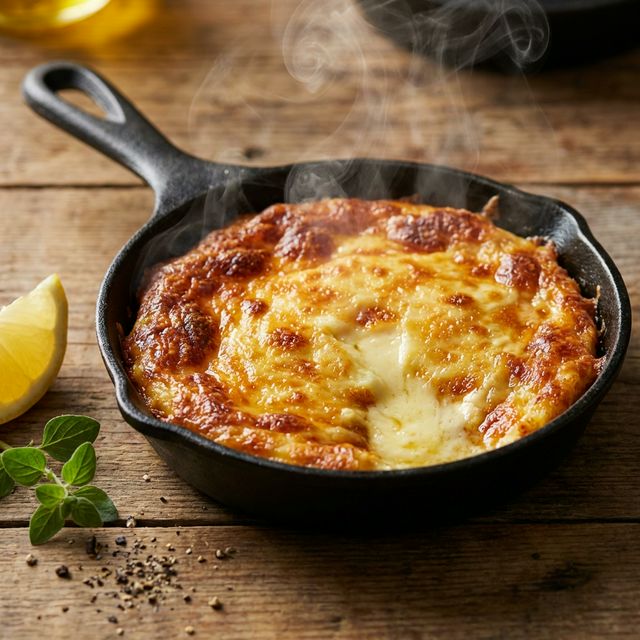
Kasseri's flavor profile—buttery, slightly salty, with a hint of sheep's milk tang—makes it incredibly versatile. Whether served raw or fried as Saganaki, here is how to create the perfect harmony on your palate.
1. The Best wines for Kasseri
Because Kasseri is not an overly aggressive cheese (unlike Blue or very aged Gouda), it requires a wine that won't overpower its delicate buttery notes.
🥂 Crisp Whites (Best Choice)
Assyrtiko (Santorini): The high acidity cuts through the fat of the cheese, especially if fried (Saganaki).
Sauvignon Blanc: Its herbaceous notes complement the grassy undertones of sheep's milk.
🍷 Light Reds
Xinomavro (Young): A light, fruity Greek red works well with aged Kasseri.
Pinot Noir: If you must have red, choose something low in tannins.
🍺 Beer? Yes!
A crisp Pilsner or a Greek Lager (like Mythos) is surprisingly good with salty Saganaki.
2. Fruit & Nut Companions
On a cheese board, you want to balance the saltiness with natural sweetness.
- Fresh Figs: The classic Mediterranean pairing. The honey-like sweetness of a ripe fig is magic with sheep cheese.
- Grapes: Green or red, they provide a refreshing crunch.
- Honey: A drizzle of Greek thyme honey over warm Kasseri is a dessert in itself.
- Walnuts: Their slight bitterness balances the rich butterfat.
💡 The "Meze" Philosophy
In Greece, cheese is rarely eaten alone. It is part of "Meze"—small plates shared with friends. Serve Kasseri cubes alongside olives, some crusty village bread, and perhaps some roasted red peppers.
3. What to Avoid
Steer clear of:
- Heavy, Oaky Chardonnays: They can clash with the sheep's milk tang.
- Very Sweet Jams: Unlike Brie, Kasseri doesn't need heavy jam. Honey is better.
- Citrus Fruits: Too acidic on their own (unless it's lemon juice squeezed over fried cheese).